City Adventures for Families, Absolutely Free

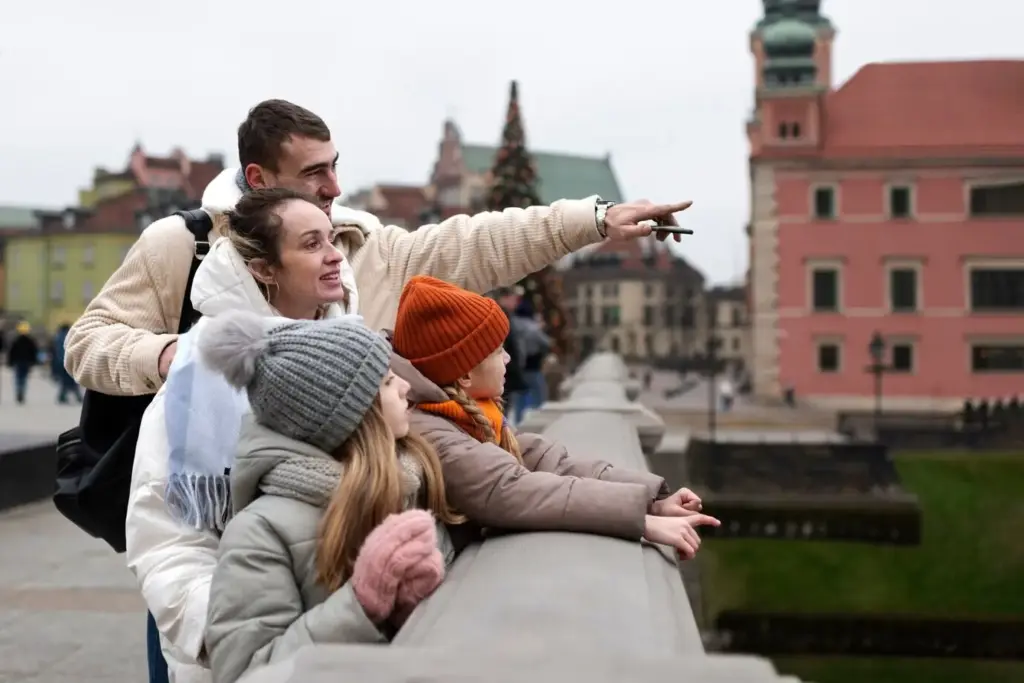
Today we dive into family-friendly free days out in major cities, sharing real, practical ways to explore without spending a cent. Expect walking routes, secret viewpoints, playful parks, cultural gems, and clever planning moves that match children’s energy, curiosity, and needs, turning ordinary streets into your most memorable, budget-proof classroom and playground.

Plan Like a Local, Spend Like a Minimalist

Thoughtful preparation unlocks surprising possibilities, from free museum hours to community festivals, public art trails, and car-free promenades perfect for strollers. Build a flexible day that respects nap times, embraces spontaneous discoveries, and keeps small legs motivated with frequent pauses, snack refuels, and playful micro-goals that make every block feel like a new invitation to explore together.

Scout Free Windows and Community Calendars

Many cities publish weekly schedules listing free museum evenings, outdoor concerts, family workshops, and pop-up performances. Checking these in advance helps avoid queues, align travel times with children’s rhythms, and stack several cost-free highlights into one gentle route, leaving room for serendipity whenever street musicians, fountains, or playgrounds unexpectedly steal the show.

Move Smart: Walkways, Bikes, and Fare-Saving Choices

Prioritize pedestrian corridors, waterfront promenades, and greenway links that feel safe and scenic for kids. Some cities let young children ride transit free with an adult, while others offer complimentary shuttles or loop buses. Favor short hops between sights, cluster neighborhoods, and save energy with strategic rest spots near bathrooms, shade, and water refill stations.

Flexible Itineraries That Respect Energy and Curiosity

Design a loose plan with generous buffers for wonder and rest. Alternate active experiences, like playgrounds or viewpoint climbs, with calm moments in libraries, gardens, and quiet courtyards. Use simple cues—count red doors, find a bird mural, spot three bridges—to keep kids engaged, and be ready to pivot when unexpected street magic appears.

Landmarks and Views Without the Price Tag

Waterfront Thrills and Skyline Moments

Seek out river ferries, harbor esplanades, and lakeside paths where boats, gulls, and reflections entertain endlessly. In several cities, commuter ferries offer spectacular views for free, while piers and marinas invite slow observation. Pack a mini-journal for sketching skylines, recording boat names, and turning the horizon into a playful, shared geography lesson.

High Vantage Points You Can Enjoy for Nothing

Many urban areas feature free observation decks, hilltop parks, or civic rooftops that require only a time slot reservation. Think public gardens in tall buildings, municipal viewing platforms, or stairways that thread through historic neighborhoods. Celebrate the climb with a snack at the top, storytelling about tiny people below, and safe, celebratory photos together.

Bridges, Boulevards, and Architectural Storylines on Foot

Bridges and grand avenues tell living stories about engineering, migration, and everyday city life. Cross slowly, counting arches, rivets, or lamp posts. Pause at plaques, listen for languages drifting by, and notice repeating patterns on facades. Let each detail spark questions, then invent origin tales together, fostering curiosity and observation without spending anything at all.

Green Escapes and Play Spaces in the Urban Jungle

Parks transform city days into breathable adventures, with lawns for cartwheels, imaginative playgrounds, duck ponds, and shaded reading spots. Look for nature centers, free family programs, and community gardens buzzing with pollinators. Build rituals: a leaf-collecting walk, a tree-bark texture game, or cloud-shape storytelling that helps children recharge while learning through joyful, sensory exploration.

Grand Parks That Feel Like Whole-Day Worlds

Seek expansive green spaces with varied zones: meadows, woodlands, splash pads, sculpture lawns, and quiet nooks. Mark restrooms and picnic tables on your map, then design mini-loops that end near playgrounds. Encourage kids to become park rangers for the day, spotting birds, identifying trees, and recording friendly dogs met along winding, stroller-friendly paths.

Playgrounds That Spark Imagination and Cooperation

Destination playgrounds often feature climbing ships, musical instruments, zip lines, and sand laboratories that invite collaborative play. Introduce gentle challenges—three new slides, one helpful act, two laughs shared with new friends. Keep light bandages, wipes, and spare socks handy. Celebrate small bravery, take breaks for water, and let play dictate the pace of discovery.

Wild Corners, Community Gardens, and Riverside Paths
Beyond famous lawns, look for urban wetlands, pollinator plots, and riverside promenades where herons, bees, and turtles sometimes appear. Read interpretive signs together, discuss habitats, and draw quick sketches. These quieter zones offer restorative pauses, teach stewardship, and prove that real nature thrives amid skyscrapers, trains, and city buzz, absolutely free and endlessly inviting.

Culture You Can Touch: Art, History, and Stories for Free

Street art, open-air sculpture, library programs, and free-entry galleries create approachable encounters with creativity. Many museums waive admission for permanent collections or offer free hours. Pair visual surprises with mini-questions—who built this, why that color, what story lives here—so kids gain confidence interpreting art and history in welcoming, budget-proof ways.

Eat Well, Rest Well, Spend Nothing

Food and comfort shape the mood of any outing. Smart picnics, refillable bottles, shade planning, and bathroom awareness keep spirits high. Visit markets for free aromas, colors, and occasional tastings. Choose benches with views, rotate backpack carriers, and treat rest as a destination, not an interruption, ensuring energy lasts for unhurried, joyful wandering.

Scavenger Hunts That Teach Observation and Teamwork

Design simple lists: a blue bicycle, a statue with wings, a clock tower, three languages on signs, and a musical busker. Assign roles—reader, spotter, mapper—so everyone contributes. Celebrate teamwork with a park break, shared journal entry, or sidewalk chalk sketch capturing the day’s funniest surprise and the kindest moment witnessed together.

Photo Quests and Mini-Documentaries for Tweens and Teens

Invite older kids to craft visual stories: symmetry, reflections, or close-up textures. Record short interviews about favorite sights and lessons learned. Encourage ethical photography, privacy respect, and creative framing. Later, assemble a family slide show with captions, turning free hours into a collaborative, memory-rich project that deepens confidence, voice, and observational skill.

Share Your Discoveries and Help the Next Family

Post your favorite free routes, picnic spots, and crowd-dodging tricks in the comments, and subscribe for fresh city maps, free-day alerts, and seasonal checklists. Tell us what worked, what flopped, and which tiny moment felt huge, so our growing community keeps exchanging encouragement, honesty, and practical magic for joyful, affordable adventures.
Minoxurutavuziri
Privacy Overview

This website uses cookies so that we can provide you with the best user experience possible. Cookie information is stored in your browser and performs functions such as recognising you when you return to our website and helping our team to understand which sections of the website you find most interesting and useful.